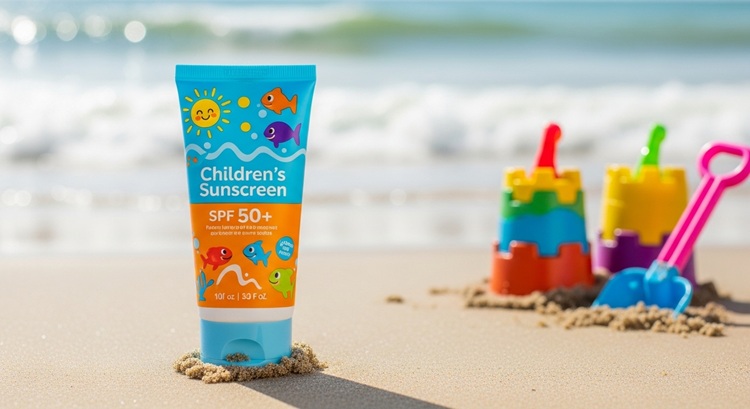
Protecting children from sun exposure is an essential part of everyday care, particularly in regions with high UV levels. A child’s skin is more sensitive than adult skin, meaning it burns more quickly and is more vulnerable to long-term damage. Choosing the right sunscreen, and using it correctly, is one part of a broader sun safety routine that also includes shade, protective clothing, and careful planning of outdoor time.
While sunscreen is widely available, not all products are equally suitable for children. Understanding what to look for helps caregivers make informed decisions that support both protection and comfort.
Table of Contents
Why Sun Protection Matters in Early Childhood
Children’s skin is still developing and has a thinner natural barrier against ultraviolet (UV) radiation. Even short periods of unprotected exposure can lead to sunburn, which increases long-term skin health risks.
Health authorities consistently recommend a combination of sun protection strategies rather than relying on sunscreen alone. This includes protective clothing, hats, shade, and sunscreen as an additional layer of defence, especially during peak UV periods, based on recommended sun protection practices for children.
What to Look for in Sunscreen for Children
When choosing sunscreen for children, several important features should be considered:
Broad-spectrum protection
Look for sunscreen that protects against both UVA and UVB rays. UVA contributes to long-term skin damage, while UVB is primarily responsible for sunburn. Broad-spectrum protection ensures more complete coverage.
SPF 30 or higher
SPF 30 is generally the minimum recommended level, while SPF 50+ provides higher protection. SPF refers to UVB protection under controlled conditions.
Water resistance
Children are often active outdoors, swim, or sweat. Water-resistant formulas help maintain protection during these activities, although reapplication is still necessary.
Gentle formulations
Fragrance-free and hypoallergenic sunscreens are often better suited for children’s sensitive skin, reducing the risk of irritation or discomfort.
For additional guidance on product selection, dermatology-informed advice explains key safety considerations when choosing safe sunscreen options for children’s skin.
Mineral vs Chemical Sunscreen
Sunscreens generally fall into two categories: mineral (physical) and chemical.
Mineral sunscreens use ingredients like zinc oxide or titanium dioxide, which sit on the skin’s surface and reflect UV rays. Chemical sunscreens absorb UV radiation and convert it into heat before releasing it from the skin.
For children, mineral-based sunscreens are often preferred due to their gentle formulation and lower likelihood of skin irritation. However, both types can be effective when used correctly and consistently.
Building Sun Safety Habits Early
Early childhood is an important stage for developing lifelong health habits. Sun safety routines such as applying sunscreen, wearing hats, and seeking shade can become part of a child’s everyday expectations when introduced consistently.
In many early learning environments, sun protection is embedded into daily routines so children gradually understand both the behaviour and the reason behind it. This helps build awareness, independence, and responsibility around personal care.
More structured early childhood guidance also highlights practical approaches for families, including how to integrate sun protection into everyday routines and make informed choices, such as choosing the right sunscreen.
How Sunscreen Fits Into a Full Sun Protection Routine
Sunscreen should not be the only method of sun protection. It works best as part of a complete sun safety strategy, including:
- Wearing wide-brim hats that protect the face, neck, and ears
- Using sun-protective clothing with high UPF ratings
- Seeking shade during peak UV hours
- Planning outdoor play outside the strongest sun periods
Sunscreen should be applied generously to all exposed skin at least 15–20 minutes before going outdoors and reapplied every two hours, or more frequently after swimming, sweating, or towel drying.
Helping Children Learn Sun Awareness
Teaching children about sun safety from an early age helps build lifelong protective habits. Simple, repeated routines such as applying sunscreen together or putting on hats before outdoor play help normalise sun protection as part of everyday life.
Over time, children begin to understand sun safety as a form of self-care rather than a reminder-based task. This supports independence and awareness around protecting their own health in outdoor environments.
Final Thoughts
Choosing sunscreen for children involves more than selecting a high SPF product. It requires consideration of skin sensitivity, formulation type, and how sunscreen fits into a broader sun safety routine.
When combined with protective clothing, shade, and consistent daily habits, sunscreen becomes one important part of a practical and effective approach to reducing UV exposure. Building these habits early helps children develop lifelong awareness and confidence in protecting their own health while enjoying time outdoors.