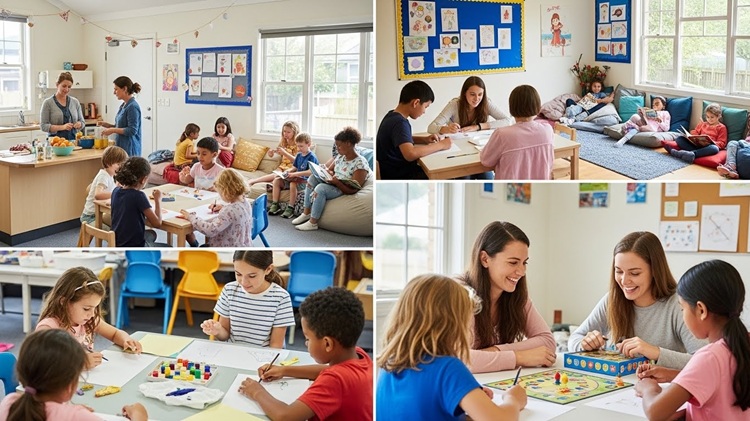
Choosing a childcare centre is one of the most important decisions families make in the early years. Parents want an environment that feels safe, enriching, and supportive. Increasingly, many families are drawn to community-focused childcare because it reflects the values, relationships, and culture that surround the children who attend. Centres that emphasise community often create a sense of belonging that helps young learners build confidence while forming strong connections with the people around them.
Table of Contents
What Is Community-Focused Childcare?
Community-focused childcare refers to early learning environments that are shaped by and connected to the local area they serve. These centres tend to prioritise relationships, inclusive practices, and meaningful engagement with families. They also reflect the strengths and identities of their neighbourhoods, giving children a sense of place from a very young age.
The Benefits of Stability and Connection
One of the most significant benefits children receive from local-focused centres is consistency. When educators, families, and the wider community work together, children feel secure. This emotional security supports healthier cognitive and social development. Research from the Center on the Developing Child at Harvard University highlights how stable, responsive relationships help build strong brain architecture in early childhood.
Engaging With Local Communities
Centres that are connected to their communities often incorporate local stories, natural materials, and familiar surroundings into their learning programmes. When children can see their own environment reflected in their day-to-day experiences, learning feels more meaningful and relatable. For example, some childcare centres in Palmerston North emphasise the use of local green spaces and community activities, giving children opportunities to explore and engage in ways that support both physical and social development.
Family Involvement and Collaboration
These centres also encourage families to be involved in their child’s learning journey. This can include conversations about routines and development, invitations to events, parent participation days, or shared decision-making about learning goals. When parents and teachers work together, children benefit from a stronger support network. A guide from the New Zealand Ministry of Education highlights how collaborative partnerships between families and educators can strengthen early learning outcomes and create better continuity between home and centre environments.
Learning Beyond the Classroom
Another advantage of community-focused childcare is the emphasis on real-life experiences. Children learn best through hands-on exploration, and many centres make use of local parks, walks, and community spaces to extend learning beyond the classroom. These experiences allow children to build physical confidence, observe nature, and develop social awareness in a familiar setting. By connecting learning to the wider community, children gain a stronger sense of belonging and curiosity about the world around them.
Personalised Care Through Strong Relationships
Quality centres also place an emphasis on relationships. Teachers tend to know families well, and this close connection helps educators understand what each child needs. Smaller, close-knit communities allow for more personalised approaches to learning and care. Children benefit from supportive adults who understand their personalities, strengths, and interests.
Choosing the Right Centre
Parents looking into childcare options can explore how different centres engage with their local community. This might include cultural events, partnerships with local organisations, or a curriculum that reflects the diversity of the area. When a centre values and celebrates the identities of its families, children learn the importance of belonging, respect, and empathy. Exploring centres that demonstrate these community-based principles in their daily routines can provide parents with helpful guidance when deciding which environment is the best fit for their child.
Conclusion
A strong community shapes strong learners. When childcare centres are rooted in their surroundings and connected to the families they serve, children experience early education that supports their development in a holistic, nurturing way. Centres that focus on their communities provide young learners with the confidence, stability, and sense of belonging they need to thrive as they grow.